

NYC Winter Outfits: The Complete Guide to Dressing for the City’s Unique Cold
NYC winter outfits face a genuinely different set of demands than winter dressing almost anywhere else, because the city itself creates its own microclimate challenges. You’re not just dressing for the temperature outside. You’re dressing for a twenty-minute walk through wind tunnels between buildings, a packed, overheated subway car, slush-covered sidewalks, and possibly several blocks of waiting on an exposed platform, all within the same commute.
This guide goes beyond a simple gallery of NYC winter outfits. It explains how the city’s specific conditions, from subway heat to building-created wind gusts, should shape what you actually wear, along with details most articles skip entirely like why layering for New York winter means planning for extremes within a single hour, not just the day’s forecast, and why certain fabrics that work fine in suburban or car-dependent climates fail considerably faster here. Whether you’re a longtime resident or visiting for the first time, this is the deeper, more practical guide.
Why NYC Winter Outfits Need City Specific Planning
NYC winter outfits require planning around the city’s specific conditions rather than generic winter advice, largely because New York’s built environment creates temperature swings that a simple weather forecast doesn’t capture. The actual temperature you experience walking between a wind tunnel on a cross street and a packed, overheated subway car can differ by thirty degrees or more within the same commute.
This distinction matters because it directly affects which layering strategies genuinely work here versus elsewhere. A single, fixed-warmth outfit designed for consistently cold outdoor conditions often becomes genuinely uncomfortable once you’re standing in an overheated subway car or a crowded office lobby, while an outfit designed purely for indoor comfort leaves you underdressed for the actual walk to get there.
A helpful example: someone new to the city who dresses in a single heavy coat and sweater combination, exactly as the outdoor temperature suggests, often finds themselves sweating uncomfortably on the subway within minutes, with no easy way to adjust mid-commute. Building NYC winter outfits around genuine, removable layering specifically addresses this common, frustrating experience most newcomers encounter quickly.
Because New Yorkers also walk considerably more than residents of most other American cities, NYC winter outfits benefit from prioritizing practical mobility and comfort over purely decorative styling that doesn’t hold up to actual blocks of walking in cold conditions.
Click Here: https://trandoras.com/everyday-cozy-outfits-for-winter/
The Subway to Street Layering System
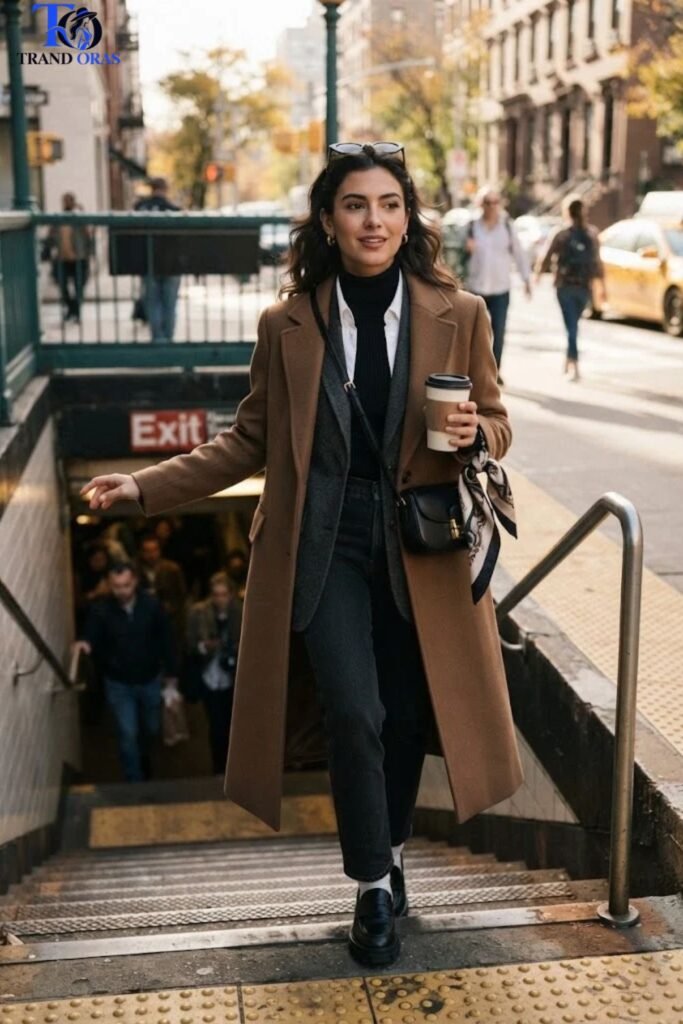
Building NYC winter outfits around a genuine three-part layering system, a base layer, an insulating mid-layer, and outerwear that can be opened or removed, directly addresses the city’s signature temperature extreme between outdoor cold and subway heat.
This particular system works because each layer can be adjusted independently based on where you actually are, fully layered while walking to the station, coat opened or removed once on an overheated train, then layered back up again once you emerge. This flexibility matters considerably more here than in car-dependent cities where you experience far fewer transitions.
A helpful example: someone commuting via subway might wear a fitted base layer, a substantial sweater, and a structured coat for the walk to the station, then unbutton or remove the coat entirely once on a crowded, overheated train car, avoiding the sweating and discomfort a single fixed outfit would cause. This specific adjustment pattern is central to practical NYC winter outfits built around actual subway commuting.
Choosing a coat with a genuinely easy on-off process, rather than complicated layering or excessive buttons, makes this frequent adjustment considerably more practical throughout an average day.
Wind Resistant Outerwear for Avenue Gusts

NYC’s tall buildings create wind tunnel effects along avenues that significantly intensify how cold a given temperature actually feels, making wind resistance a genuinely important consideration for NYC winter outfits beyond simple warmth alone.
This particular concern matters because standard winter coats rated for general cold weather don’t always account for sustained, forceful wind specifically, and a coat that feels adequately warm on a calm day can feel considerably less effective once caught in a gust funneling between high-rise buildings on a wide avenue.
A helpful example: someone wearing a cozy but loosely woven wool coat might find it performs noticeably worse on a windy avenue than the same coat would in a more sheltered, low-rise neighborhood, since the loose weave allows wind to penetrate more easily. Choosing outerwear with a tightly woven or wind-resistant outer shell specifically helps NYC winter outfits perform better against this particular city-specific challenge.
Testing your coat specifically on a notoriously windy stretch, like certain avenues in Midtown or near the water, before relying on it for an entire winter helps you identify whether it genuinely holds up to this particular local condition.
Waterproof, Grippy Boots for Slush and Ice
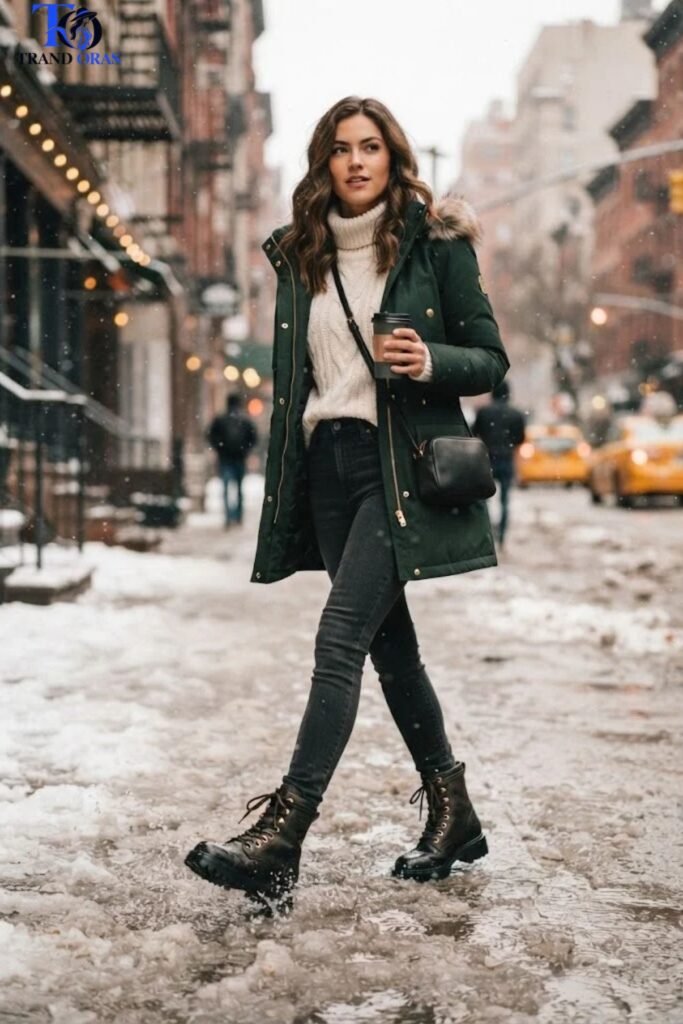
Slush-covered sidewalks and icy patches near curbs and crosswalks make waterproof, properly gripped footwear an essential rather than optional consideration within NYC winter outfits, since standard fashion boots often fail considerably faster here than they would in less pedestrian-heavy, less slush-prone environments.
This particular practical concern matters because New York’s snow rarely stays pristine for long, mixing quickly with salt, slush, and standing water at intersections, conditions that genuinely damage non-waterproof leather and create real slipping hazards with smooth-soled footwear.
A helpful example: someone wearing stylish but non-waterproof suede boots through a slushy commute often finds the material stained and damaged within a single outing, while the same person wearing properly waterproofed, treaded boots navigates identical conditions without issue. This practical consideration matters significantly for anyone building genuinely functional NYC winter outfits rather than purely photogenic ones.
Keeping a backup pair of presentable shoes at the office, then changing out of weather-appropriate boots upon arrival, offers a practical compromise for those wanting both function during the commute and a different look once indoors.
Packable Puffer for Bag Carrying Days
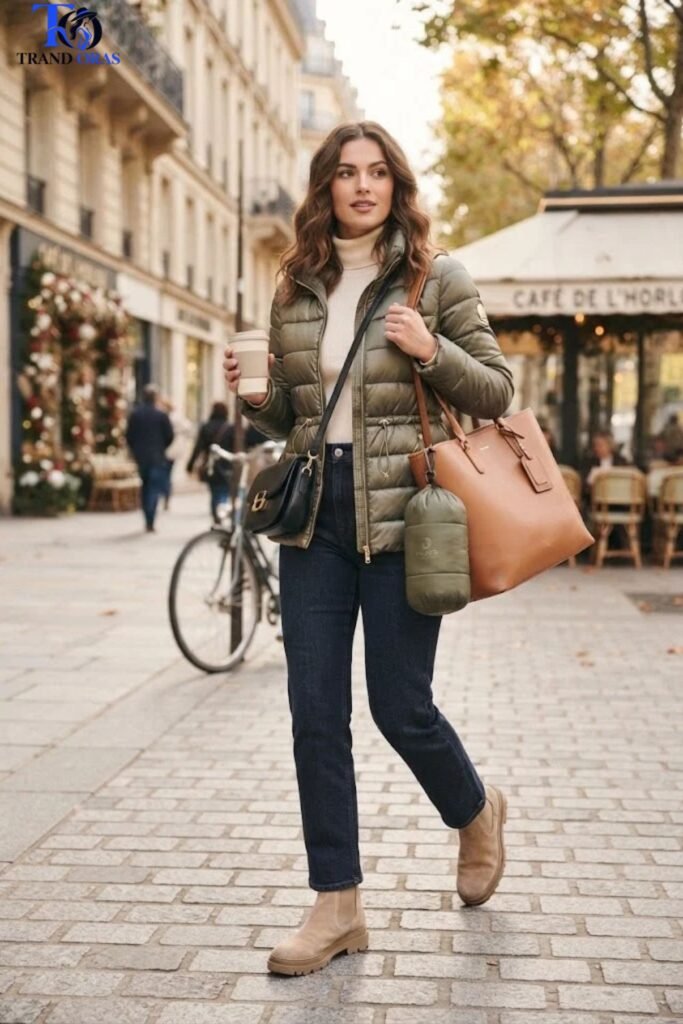
A packable, lightweight puffer jacket that compresses down small enough to stuff into a bag offers genuine practical value within NYC winter outfits, particularly for days involving significant temperature changes between indoor destinations, like moving between a warm museum, a restaurant, and various shops.
This particular piece works well because New Yorkers frequently carry bags throughout the day already, for work, groceries, or general errands, making a jacket that can genuinely pack away without bulk considerably more practical than one that must be worn or awkwardly carried when not needed.
A helpful example: someone visiting several indoor destinations throughout a single day might find a packable puffer solves the common problem of overheating indoors while still needing adequate warmth for the walks between destinations, since the jacket can simply disappear into an existing bag during indoor stretches. This flexibility makes packable outerwear genuinely valuable among NYC winter outfits for day-long itineraries specifically.
Choosing a packable puffer in a neutral tone that pairs with your existing wardrobe ensures it remains genuinely useful across multiple different outfit combinations throughout the season.
The Scarf as Wind Protection, Not Just Accessory

A substantial, properly wrapped scarf functions as genuine wind protection within NYC winter outfits, not merely a decorative accessory, since the exposed neck area loses heat quickly and takes the brunt of avenue wind gusts that the rest of a well-layered outfit might otherwise handle well.
This particular piece earns genuine practical importance here specifically because the combination of cold temperatures and sustained wind makes neck coverage considerably more valuable in New York than it might be in calmer, less wind-exposed environments.
A helpful example: someone who treats their scarf as purely decorative, wrapping it loosely for appearance rather than function, often finds their neck and chest still feel the cold considerably on windy avenue walks, while wrapping the same scarf more substantially, covering the neck and upper chest fully, provides noticeably better actual protection. This functional wrapping approach matters for anyone building genuinely practical NYC winter outfits.
Choosing a scarf in a substantial, wind-resistant material like wool rather than a purely decorative, thin option provides considerably better actual performance during the city’s windiest stretches.
Thermal Base Layers for Extended Walking
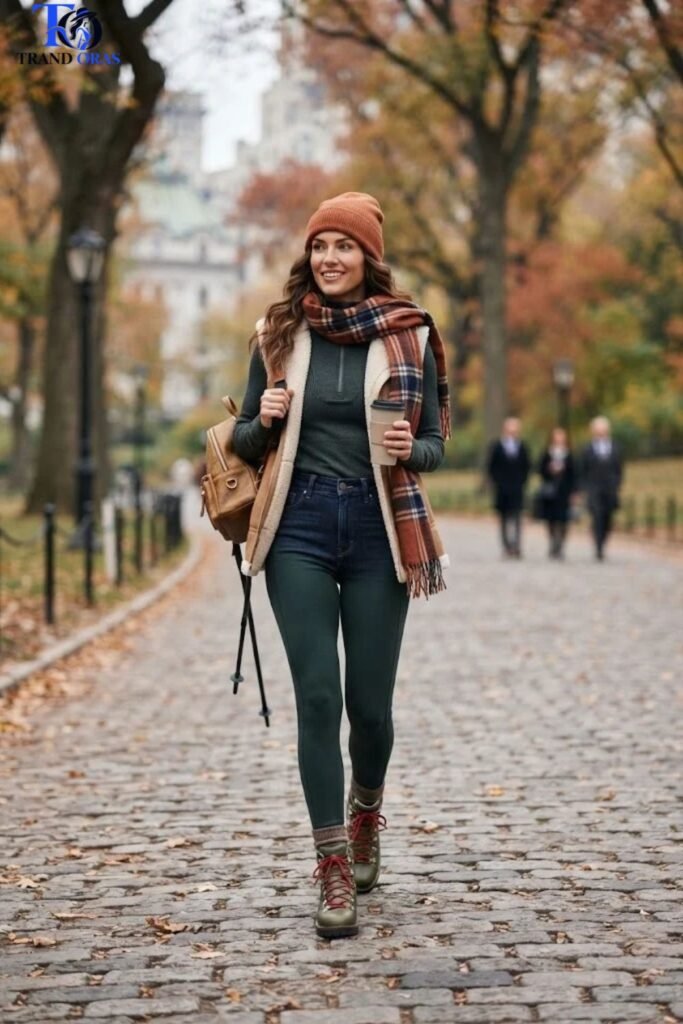
Given how much walking NYC life typically involves, thermal base layers worn underneath regular clothing add genuine warmth to NYC winter outfits without requiring visibly bulky outer layers, since the insulation happens invisibly beneath your normal clothes.
This particular approach works especially well for those with longer commutes or who simply walk extensively throughout the day, since sustained outdoor exposure during actual movement benefits from this kind of base-layer insulation more than shorter, car-to-building transitions typically require elsewhere.
A helpful example: someone with a lengthy walking commute, perhaps fifteen or twenty minutes each way, often finds thermal leggings or a thin thermal top underneath their regular clothes makes a considerably more noticeable difference than adding bulk to their visible outer layers would, since the insulation works throughout the entire walk without requiring removal once indoors. This approach suits extended-walking NYC winter outfits particularly well.
Choosing genuinely moisture-wicking thermal fabric, rather than pure cotton, prevents the trapped sweat that can actually make extended walking feel colder rather than warmer.
Structured Coat for Office to Dinner Transitions
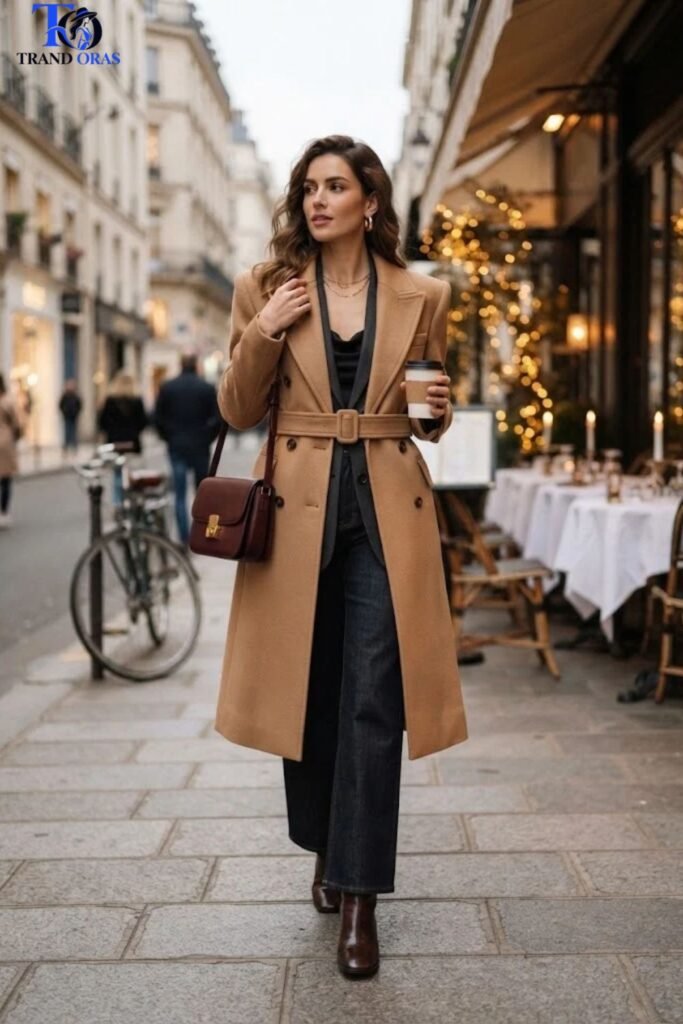
A well-tailored, structured coat that works equally well over office attire and evening wear offers genuine practical value within NYC winter outfits, particularly given how common it is here to go directly from work to dinner, drinks, or other evening plans without time to return home and change.
This particular piece works because its tailored structure reads as appropriately polished for professional settings while still looking intentional paired with slightly dressier evening pieces, eliminating the need for a separate “going out” coat many New Yorkers simply don’t have closet space or budget to maintain.
A helpful example: someone heading straight from the office to dinner plans might swap a blazer for a slightly dressier top in a work bathroom, then layer the same structured coat over either look convincingly, avoiding the need for a complete outfit change or a trip home first. This versatility matters significantly for the compressed, transition-heavy schedules common within NYC winter outfits specifically.
Choosing this coat in a versatile neutral tone maximizes how many different base outfits, both professional and evening, it can successfully complete across a busy week.
Crossbody Bag Compatible Outfit Planning
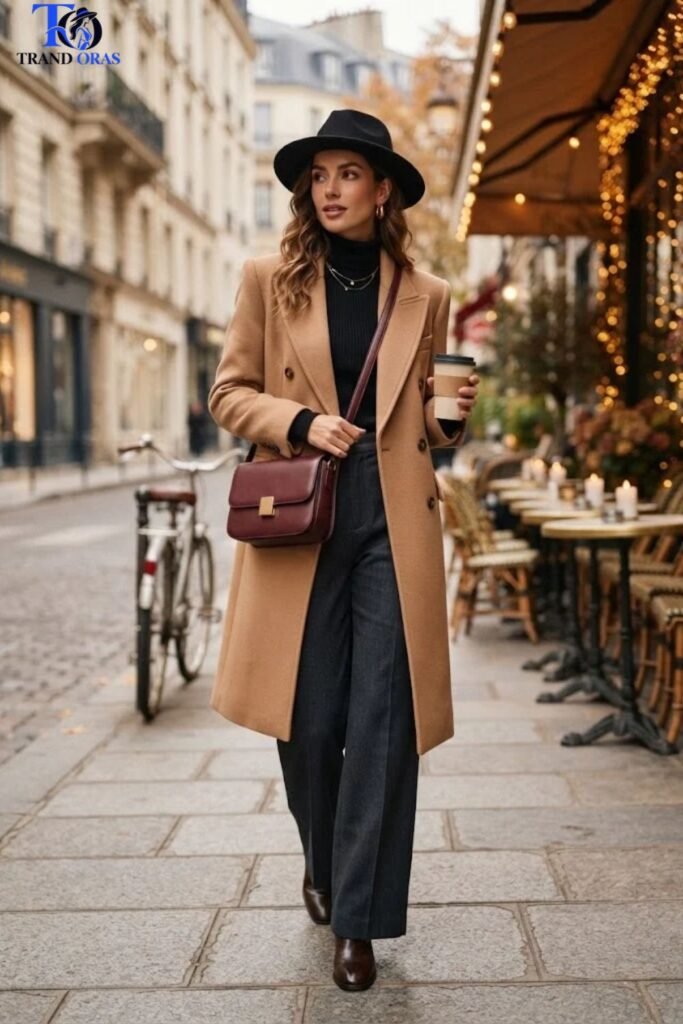
Given how frequently New Yorkers carry bags while walking, biking, or navigating crowded subway platforms, building NYC winter outfits with genuine crossbody bag compatibility in mind, avoiding overly bulky coats that bunch uncomfortably under a bag strap, addresses a genuinely practical daily concern.
This particular consideration matters because an otherwise perfect winter coat can become genuinely annoying to wear if it bunches, twists, or creates discomfort every time you need quick access to a bag worn across the body, a daily reality for most people navigating the city without a car.
A helpful example: someone wearing an extremely puffy, oversized coat might find their crossbody bag strap digs uncomfortably or the coat bunches awkwardly around it throughout the day, while a slightly more fitted or structured coat accommodates the same bag considerably more comfortably. This practical fit consideration matters for anyone building genuinely livable NYC winter outfits around daily bag-carrying needs.
Trying on coats specifically while wearing your actual daily bag, rather than assessing fit without this consideration, helps avoid this common, easily overlooked discomfort.
Dressing by Neighborhood Aesthetic
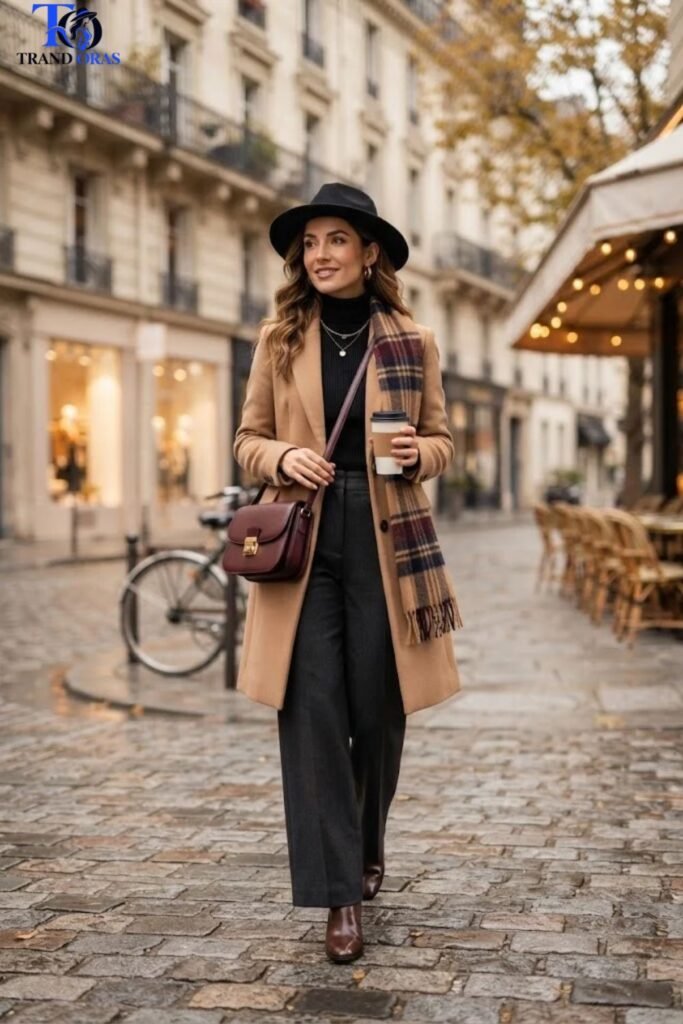
While practical function matters enormously for NYC winter outfits, the city’s distinct neighborhood aesthetics genuinely influence how people dress, and leaning into your specific neighborhood’s general style sensibility, whether polished Uptown, eclectic Williamsburg, or artsy SoHo, can inform your personal approach without sacrificing practicality.
This isn’t about rigid rules, since personal style always matters more than neighborhood convention, but understanding these general aesthetic differences can help you feel more intentionally dressed rather than randomly assembling pieces without any particular point of view guiding your choices.
A helpful example: someone moving to a neighborhood with a notably polished, put-together general aesthetic might find leaning slightly more tailored and structured in their NYC winter outfits feels more cohesive with their new surroundings, while someone in a more eclectic, artistic neighborhood might feel equally at home experimenting with bolder color or unconventional layering. This isn’t mandatory, but awareness of your specific context can genuinely inform personal styling decisions.
Ultimately, the practical fundamentals, proper layering, wind protection, and weather-appropriate footwear, remain constant across every neighborhood, regardless of which specific aesthetic sensibility you lean into on top of that practical foundation.
Common Mistakes to Avoid With NYC Winter Outfits
One of the most frequent mistakes is dressing purely for the outdoor temperature without accounting for subway heat and indoor overheating, resulting in genuine discomfort partway through a typical commute. Building in removable layers specifically addresses this common oversight.
Another common error involves choosing stylish but impractical footwear for the city’s actual walking and weather conditions, leading to damaged shoes or genuine slipping hazards on icy or slush-covered sidewalks. Prioritizing waterproof, properly treaded boots helps avoid this frequently repeated issue.
Underestimating wind specifically is another mistake many newcomers make, since a coat that feels adequately warm in calmer conditions can perform considerably worse once exposed to the city’s building-created wind tunnels along major avenues.
Finally, neglecting bag compatibility when choosing outerwear is a mistake worth avoiding, given how central bag-carrying is to daily life here without routine car access, making comfortable coexistence between coat and bag a genuinely practical consideration.
The Future of NYC Winter Outfits
NYC winter outfits continue to evolve alongside broader advances in technical fabric technology, with more brands developing genuinely wind-resistant, lightweight materials specifically suited to the kind of extended outdoor walking and exposure city living typically demands.
There’s also growing emphasis on versatile, multi-purpose pieces designed to transition between the city’s many different daily contexts, professional, casual, and social, reflecting how compressed and transition-heavy a typical New York schedule often is compared to less densely scheduled lifestyles elsewhere.
Sustainability considerations are shaping this space as well, with more people prioritizing durable, genuinely functional pieces built to withstand the city’s demanding daily wear and tear, rather than purely trend-driven items with more limited practical performance.
Looking ahead, personalized styling tools, including apps that account for actual daily commute patterns and real-time weather, are beginning to help residents and visitors alike plan NYC winter outfits genuinely suited to their specific daily movement through the city, rather than generic seasonal advice alone.
Conclusion
NYC winter outfits work best when built around the city’s specific conditions: subway heat, avenue wind, slush, and significant daily walking. From a genuine layering system to wind-resistant outerwear and properly gripped boots, practical choices matter as much as style here. The key is dressing for transitions, not just the outdoor temperature. Ready to update your cold-weather wardrobe Use this guide as your starting point for building NYC winter outfits that genuinely work for city life.

Natalie Cooper is a fashion and style writer with 6 years of experience in fashion and outfit inspiration. Through Trand Oras, she shares fresh outfit ideas, seasonal trends, and practical styling tips to help readers create stylish, confident looks for every occasion.


