

Fall to Winter Outfits Ideas: The Complete Guide to Seamless Seasonal Transitions
Fall to winter outfits ideas solve a genuinely tricky styling problem: how do you dress for weeks of fluctuating temperatures, some days still mild, others suddenly bitter, without buying an entirely separate wardrobe for each week’s weather The transition between these two seasons rarely happens on a single, clean date. Instead, it stretches across several weeks where morning frost might give way to a surprisingly mild afternoon, making genuinely versatile layering more valuable than owning pieces for either season alone.
This guide goes beyond a simple gallery of fall to winter outfits ideas. It explains how to build a wardrobe of pieces that genuinely bridge both seasons, along with details most articles skip entirely like why fabric weight matters more than color or style during this transitional period, and why certain “fall” pieces actually work far better into winter than people assume. Whether you’re trying to get more mileage out of your existing fall wardrobe or planning ahead for winter, this is the deeper, more practical guide.
Why Fall to Winter Outfits Ideas Need a Transitional Strategy
Fall to winter outfits ideas require different planning than dressing for either season in isolation, largely because the transitional weeks between them involve genuine temperature unpredictability that neither purely fall nor purely winter styling advice accounts for well. A single outfit formula rarely works across this entire stretch, since morning and evening temperatures can differ dramatically from a mild midday high.
This unpredictability matters because it directly affects which pieces earn their place in a genuinely practical transitional wardrobe. Rather than purchasing separate complete outfits for fall and winter, identifying pieces that layer effectively across both, and can be added or removed as the day’s temperature shifts, tends to produce far more genuinely wearable results.
A helpful example: someone who owns beautiful pieces specifically suited to deep winter cold and equally beautiful pieces suited to mild fall weather might find neither wardrobe works particularly well during the actual transitional weeks between the two, when temperatures genuinely fluctuate day to day. Building fall to winter outfits ideas specifically around flexible layering solves this common wardrobe gap.
Because this transitional period can also stretch differently depending on your specific climate, fall to winter outfits ideas benefit from being calibrated to your actual local weather patterns, rather than following generic seasonal timing that assumes a universal transition schedule.
Continue Reading: https://trandoras.com/winter-office-outfits/
Lightweight Trench Layered Over a Chunky Sweater
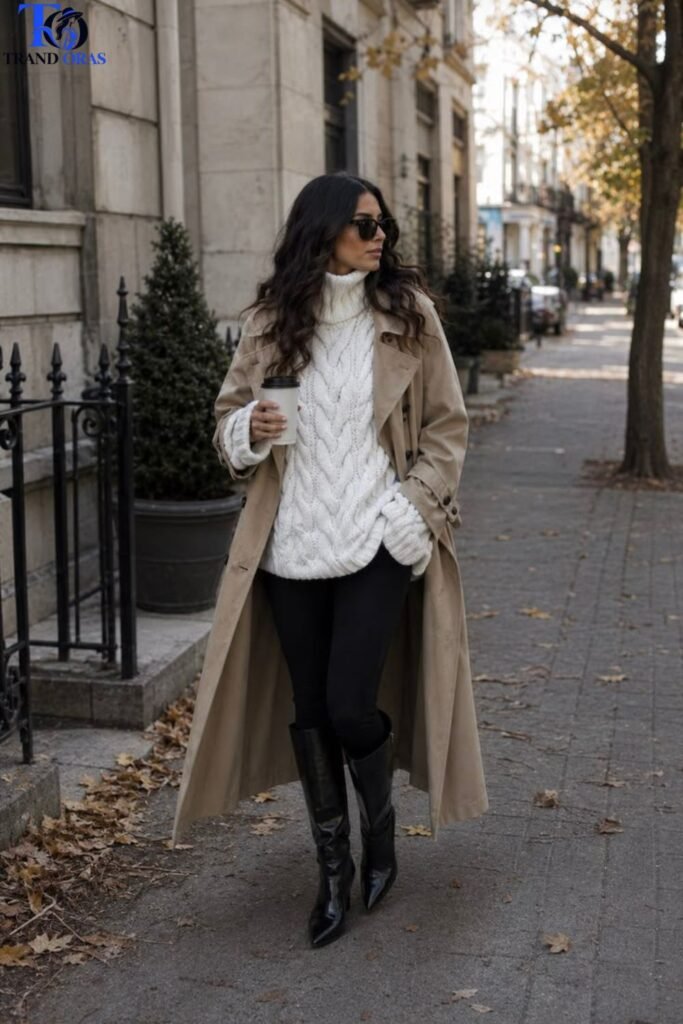
A lightweight trench coat layered over a chunky knit sweater creates one of the most genuinely versatile fall to winter outfits ideas, since the trench alone works beautifully for milder fall days, while adding the sweater underneath extends its usefulness considerably further into colder weather. This combination essentially gets double duty from a single outerwear piece across the entire transitional period.
This particular pairing works because the trench’s relatively slim, structured cut still accommodates a substantial sweater underneath without looking bulky or ill fitting, provided the trench itself isn’t cut too closely. Choosing a trench with a slightly roomier fit specifically supports this layering flexibility.
A helpful example: someone who purchases a trench coat sized precisely for wearing over just a t-shirt often finds it becomes unwearable once temperatures drop enough to require a substantial sweater underneath, since there simply isn’t room for the added bulk. Sizing the trench with this layering potential in mind from the outset extends its usefulness considerably across fall to winter outfits ideas specifically.
Adding a scarf as temperatures drop further, without changing the base combination at all, offers an easy way to extend this outfit’s warmth incrementally as the season progresses.
Denim Jacket With a Scarf for Fluctuating Days
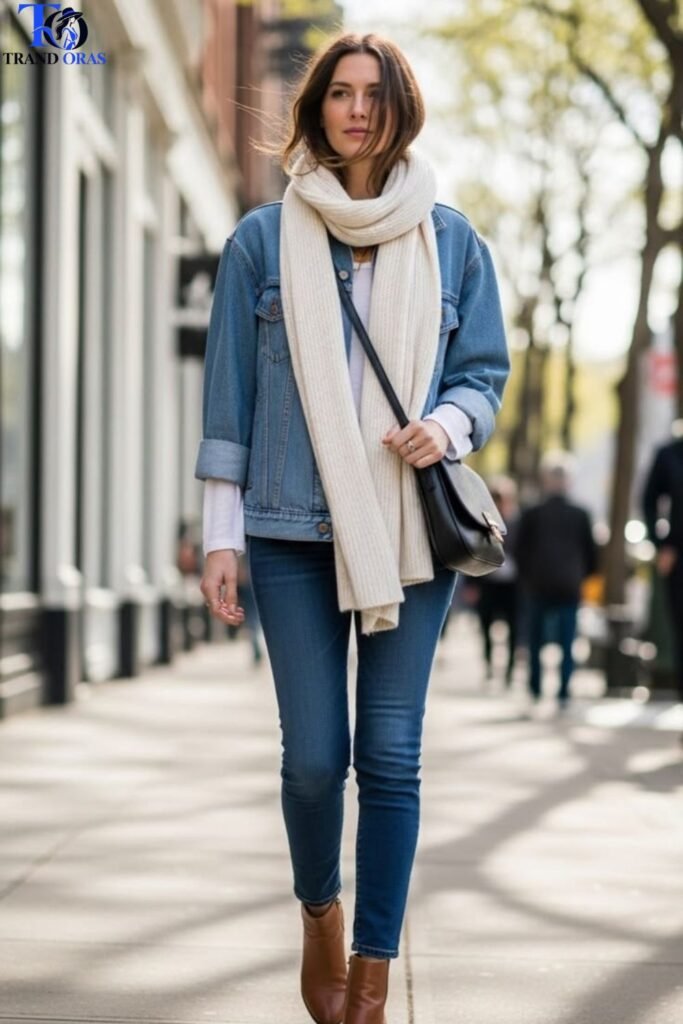
A denim jacket paired with a substantial scarf brings genuine flexibility to fall to winter outfits ideas, since the jacket alone suits milder days while the scarf adds meaningful warmth around the neck for cooler mornings and evenings without requiring a full outfit change throughout the day. This combination works particularly well for days with significant temperature swings.
This pairing benefits from choosing a scarf in a substantial, genuinely warm material, like wool or cashmere, rather than a purely decorative, lightweight option, since the scarf specifically needs to provide real functional warmth to meaningfully extend the denim jacket’s usefulness into colder conditions.
A helpful example: someone commuting during the fall to winter transition might find that a denim jacket alone feels perfectly adequate during a mild midday, but genuinely insufficient during a colder morning or evening commute. Adding a substantial scarf specifically bridges this gap, allowing the same base outfit to work reasonably well across a wider temperature range within fall to winter outfits ideas built around this flexible approach.
Layering a lightweight sweater underneath the denim jacket, in addition to the scarf, extends this combination’s practical range even further as temperatures continue dropping toward genuine winter cold.
Midi Skirt With Tights and Ankle Boots
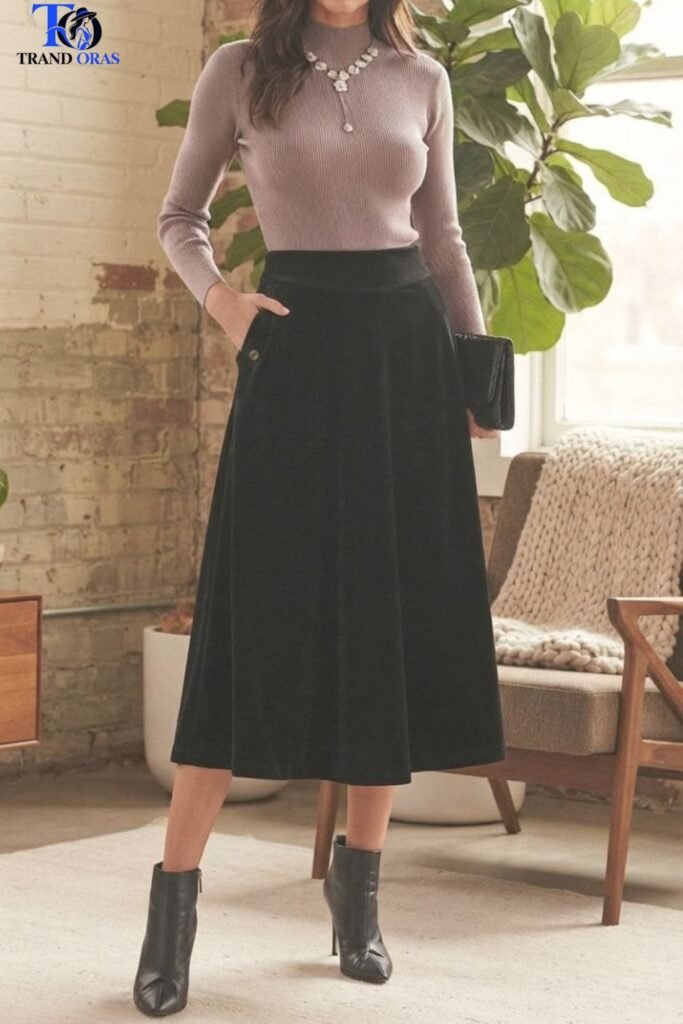
A midi skirt paired with tights and ankle boots offers one of the more elegant fall to winter outfits ideas, since simply adjusting tights weight, sheer for milder days, opaque and fleece lined for colder ones, allows this exact silhouette to work across the entire transitional period without requiring an entirely different outfit as the weeks progress.
This particular approach works because the core outfit structure remains genuinely consistent, while the specific tights weight becomes the primary variable adjusted based on actual daily temperature. This makes packing and daily outfit decisions considerably simpler during this unpredictable stretch of weather.
A helpful example: someone who owns the same midi skirt and ankle boot combination in multiple tights weights finds themselves able to dress appropriately for a genuinely wide range of fall and winter temperatures without needing separate outfit formulas for each. This tights as variable approach makes fall to winter outfits ideas considerably easier to plan around than swapping entire outfit components repeatedly.
Adding a substantial sweater or blazer on top completes this combination, with the specific layer chosen based on the day’s particular temperature and formality needs.
Cardigan to Coat Layering System
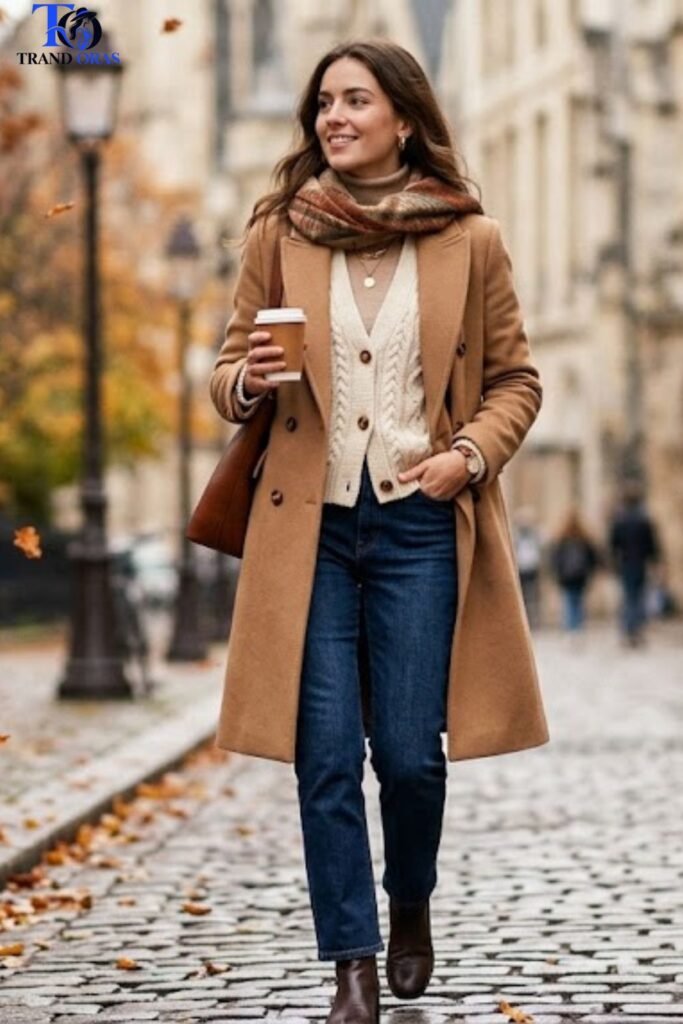
Building outfits around a genuinely flexible layering system, a base top, a cardigan, and a coat that can each be added or removed independently, creates one of the most practically useful fall to winter outfits ideas for the entire transitional period. This system allows a single base outfit to adjust across a considerably wider temperature range than any fixed combination could manage alone.
This particular approach benefits from choosing each layer with genuine standalone wearability in mind, since a cardigan that only looks good under a coat, or a coat that only works over a specific cardigan, limits the system’s overall flexibility considerably compared to pieces that function well both together and separately.
A helpful example: someone building their fall to winter wardrobe around this specific three layer system might wear just the base top on an unusually warm early fall day, add the cardigan as temperatures drop through mid fall, then finally add the coat once genuine winter cold arrives, all while the core outfit underneath remains essentially unchanged. This systematic approach to fall to winter outfits ideas reduces the need for entirely separate seasonal wardrobes.
Choosing all three pieces in coordinating, rather than clashing, colors ensures the combination looks intentional regardless of which specific layers are actually worn on any given day.
Trans Seasonal Color Palette Shift
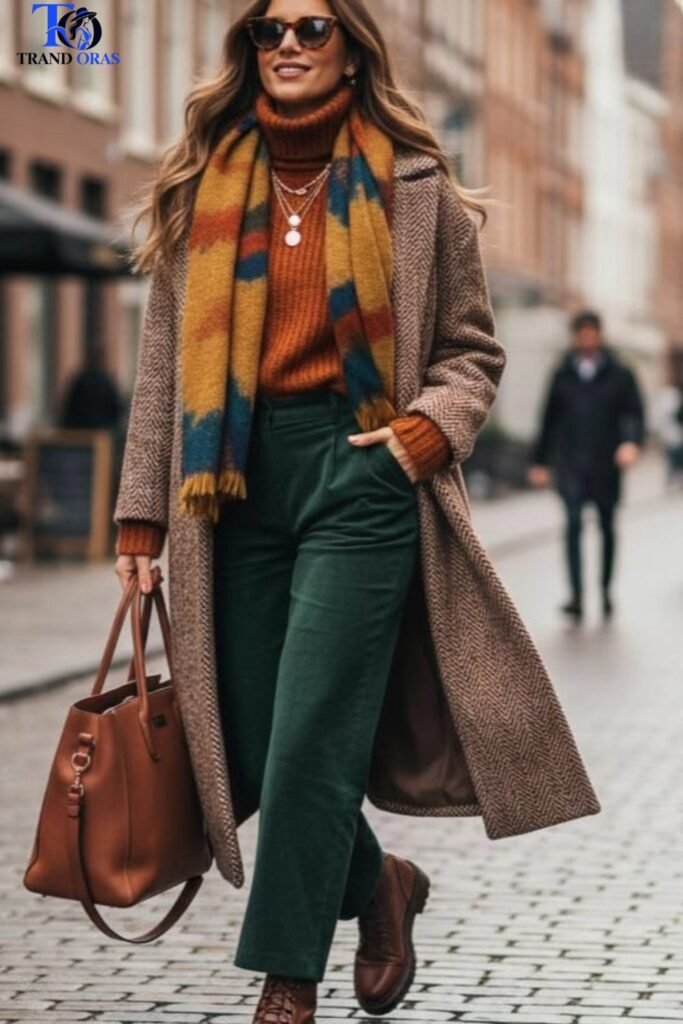
Gradually shifting your color choices from fall’s warm rust, burnt orange, and golden tones toward winter’s deeper jewel tones and rich neutrals offers a genuinely useful styling strategy within fall to winter outfits ideas, allowing your wardrobe’s overall palette to evolve naturally alongside the actual seasonal transition rather than switching abruptly all at once.
This approach works particularly well because many colors genuinely bridge both seasons effectively, deep burgundy, chocolate brown, and forest green all read as appropriate for both late fall and early winter specifically, offering a genuine overlap zone rather than requiring a hard color palette switch on any single date.
A helpful example: someone whose fall wardrobe leans heavily into bright rust and golden yellow tones might find these colors start feeling less seasonally appropriate as winter approaches, while gradually incorporating deeper burgundy, forest green, and rich chocolate brown pieces allows their overall palette to evolve naturally alongside the transitional weather. This gradual approach to fall to winter outfits ideas feels more intentional than an abrupt, single date wardrobe switch.
Identifying the specific colors that genuinely work across both seasons, rather than assuming your entire fall palette needs replacing, helps maximize the practical lifespan of pieces you already own.
Vest Over Long Sleeves for Temperature Flexibility
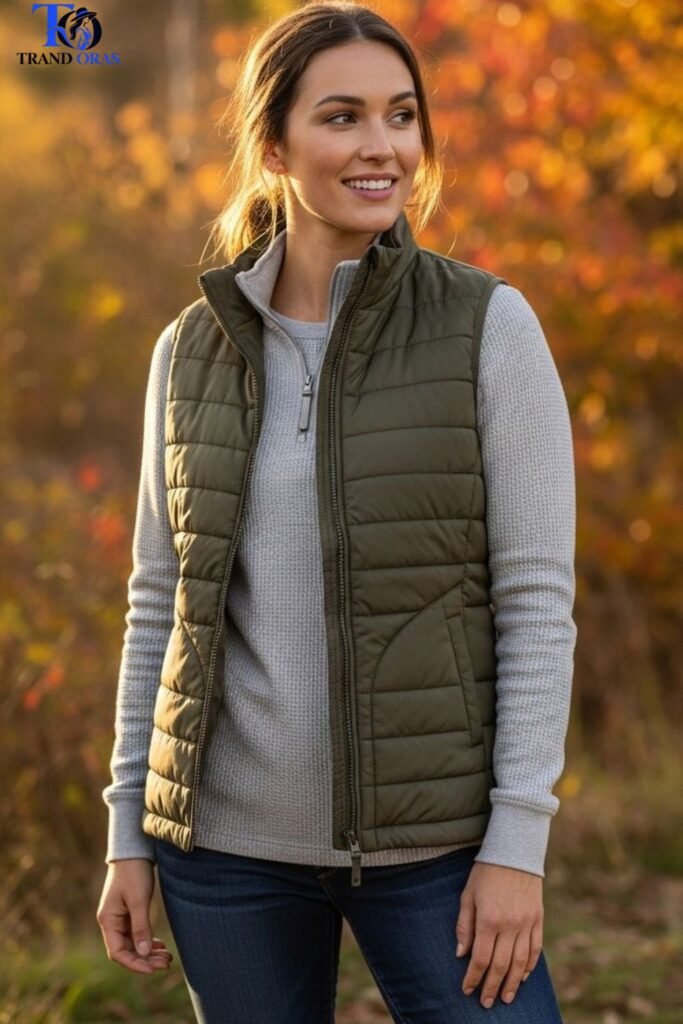
Layering a vest, whether puffer, wool, or quilted, over a long sleeve top creates one of the more genuinely adaptable fall to winter outfits ideas, since the vest provides meaningful core warmth while the long sleeves underneath handle arm coverage independently, allowing for easy adjustment as temperatures shift throughout the transitional period.
This particular combination works well because the vest itself can be easily added or removed without disrupting the base long sleeve outfit underneath, offering genuine flexibility for days that start cold and warm up considerably, or vice versa, without requiring a complete outfit change partway through the day.
A helpful example: someone heading out on a chilly fall morning might start the day wearing both the vest and long sleeves together, then remove just the vest once the afternoon warms up, while still maintaining appropriate coverage from the long sleeve top alone. This flexibility makes vest layering particularly practical among fall to winter outfits ideas for days with genuinely significant temperature swings.
Choosing a vest with some structure, rather than an overly bulky style, helps maintain a polished silhouette whether worn over the long sleeves or removed entirely as the day progresses.
Ankle Boots Transitioning to Tall Boots
Ankle boots suit fall’s milder temperatures well, while tall boots provide considerably more warmth and coverage as winter approaches, making the gradual transition between these two footwear categories a genuinely practical consideration within fall to winter outfits ideas that most style guides address only superficially, if at all.
This particular footwear transition benefits from choosing both styles in complementary, coordinating tones, like matching browns or blacks, so that swapping between them as temperatures shift doesn’t require rethinking the rest of an outfit’s color coordination each time.
A helpful example: someone who wears ankle boots exclusively through early fall might find their feet and lower legs genuinely cold once winter temperatures arrive, while switching to tall boots, paired with substantial tights or leggings underneath, provides considerably more practical warmth for the same general outfit style. This footwear transition is a genuinely practical detail worth planning within fall to winter outfits ideas specifically.
Investing in one versatile pair of each boot style, rather than numerous less practical options, tends to provide better overall value across the entire transitional period and into full winter.
Wool Blazer as Standalone Outerwear
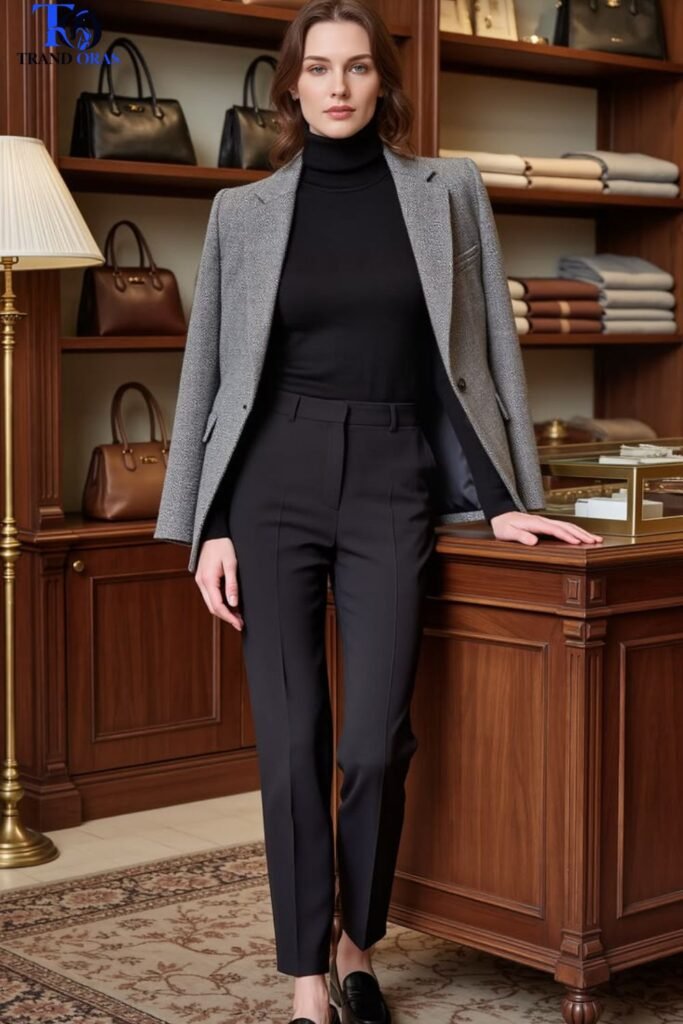
A substantial wool blazer can function as standalone outerwear during milder fall and early winter days, offering a genuinely practical, polished alternative to a full coat before temperatures drop enough to require heavier outerwear. This particular piece often gets underutilized within fall to winter outfits ideas, despite its genuine versatility across this transitional period specifically.
This approach works because a well made wool blazer provides meaningful warmth through its substantial fabric weight, while its structured, polished silhouette works equally well for professional and casual settings, unlike more purely functional outerwear options that might feel too casual for certain occasions.
A helpful example: someone who reaches immediately for a full winter coat as soon as fall temperatures drop even slightly might find a substantial wool blazer actually provides adequate warmth for many early transitional days, extending the useful wearing season for a piece they likely already own for other purposes. This dual-purpose approach makes wool blazers a smart addition to fall to winter outfits ideas focused on maximizing existing wardrobe pieces.
Layering a lightweight sweater underneath the blazer extends its practical temperature range even further before a genuine winter coat becomes necessary.
Turtleneck Layered Under Fall Jackets

Adding a fitted turtleneck underneath jackets originally purchased with fall weather in mind extends their practical usefulness considerably further into winter, offering one of the simplest, most cost effective fall to winter outfits ideas for maximizing existing wardrobe investment rather than purchasing entirely new winter specific pieces.
This particular layering technique works because the turtleneck’s high coverage and close fit provide meaningful additional warmth without adding significant bulk, meaning jackets cut for a relatively slim fit still accommodate this additional layer without looking overstuffed or ill fitting.
A helpful example: someone who owns a lightweight jacket purchased specifically for fall weather might assume it becomes unwearable once winter arrives, without realizing that simply adding a fitted turtleneck underneath extends its practical temperature range considerably further than the jacket would provide on its own. This simple layering adjustment is a detail many people overlook when planning fall to winter outfits ideas around their existing wardrobe.
Choosing turtlenecks in versatile neutral tones ensures this layering technique works across multiple different jackets, maximizing the flexibility this simple addition provides throughout the entire transitional wardrobe.
Fabric Weight as the Key Transitional Variable
Understanding fabric weight as the primary variable to adjust, rather than completely different pieces or styles, offers one of the most practically useful insights within fall to winter outfits ideas that generic style guides often overlook. The same basic silhouette and color palette can work across the entire transitional period simply by adjusting the specific fabric weight of individual pieces.
This approach works because fabric weight directly determines how much warmth a piece provides, meaning swapping a lightweight cotton sweater for a substantial wool version, while keeping the overall outfit structure identical, allows the same general styling formula to work across a considerably wider temperature range than changing styles entirely would require.
A helpful example: someone who owns both a lightweight and a heavyweight version of essentially the same sweater silhouette can wear the same general outfit formula throughout the entire fall to winter transition, simply swapping which specific weight makes sense for that day’s actual temperature. This fabric weight focused approach to fall to winter outfits ideas simplifies decision making considerably compared to maintaining entirely separate seasonal wardrobes.
Prioritizing fabric weight variety within your core wardrobe pieces, rather than focusing purely on style variety, tends to produce a more genuinely functional transitional wardrobe overall.
Common Mistakes to Avoid With Fall to Winter Outfits Ideas
One of the most frequent mistakes is switching your entire wardrobe abruptly on a specific calendar date, rather than allowing your outfit choices to genuinely follow actual daily temperature and weather conditions throughout the transitional period. Building flexibility into your approach, rather than following a rigid seasonal switch, produces more consistently comfortable, appropriate results.
Another common error involves retiring fall pieces entirely once winter arrives, rather than recognizing how many can be extended through strategic layering, like adding a turtleneck underneath or a substantial scarf alongside. Maximizing existing wardrobe pieces through layering helps avoid unnecessary, premature purchasing decisions.
Choosing purely decorative pieces without adequate consideration for genuine functional warmth during this unpredictable period is another frequently repeated mistake, since underestimating how quickly temperatures can drop, even on days that started mild, can lead to genuine discomfort. Prioritizing at least a few genuinely warm, functional pieces within fall to winter outfits ideas helps avoid this common miscalculation.
Finally, neglecting footwear transitions specifically, continuing to wear fall appropriate shoes well past the point where they provide adequate warmth, is a mistake worth avoiding, since cold feet can undermine an otherwise well planned outfit regardless of how well the rest of the layering strategy works.
The Future of Fall to Winter Outfits Ideas
Fall to winter outfits ideas continue to evolve alongside broader industry advances in genuinely versatile, trans seasonal fabric technology, with more brands developing pieces specifically designed to perform well across a wider temperature range rather than being narrowly suited to just one season.
There’s also a growing consumer emphasis on building smaller, more intentional wardrobes with genuine cross seasonal versatility, reflecting broader interest in sustainable, thoughtful purchasing over accumulating separate, single season wardrobes that see limited overall use throughout the year.
Climate change is also gradually reshaping how people think about fall to winter outfits ideas specifically, as increasingly unpredictable seasonal weather patterns in many regions make genuinely flexible, layerable wardrobes more practically valuable than ever, regardless of what the calendar technically indicates about the current season.
Looking ahead, personalized styling tools, including AI based outfit planning technology that accounts for actual daily weather forecasts rather than generic seasonal assumptions, are beginning to help people build fall to winter outfits ideas genuinely suited to their real, day to day conditions rather than a fixed, calendar based approach to seasonal dressing.
Conclusion
Fall to winter outfits ideas work best when built around genuine flexibility rather than a hard switch between two separate wardrobes. From a layered trench and sweater combination to a smart cardigan to coat system, there’s an option here suited to nearly every transitional wardrobe need. The key is prioritizing pieces that adjust with the actual weather rather than the calendar. Ready to bridge the gap between seasons Use this guide as your starting point for building fall to winter outfits ideas that work for however the weather actually behaves.

Natalie Cooper is a fashion and style writer with 6 years of experience in fashion and outfit inspiration. Through Trand Oras, she shares fresh outfit ideas, seasonal trends, and practical styling tips to help readers create stylish, confident looks for every occasion.


